


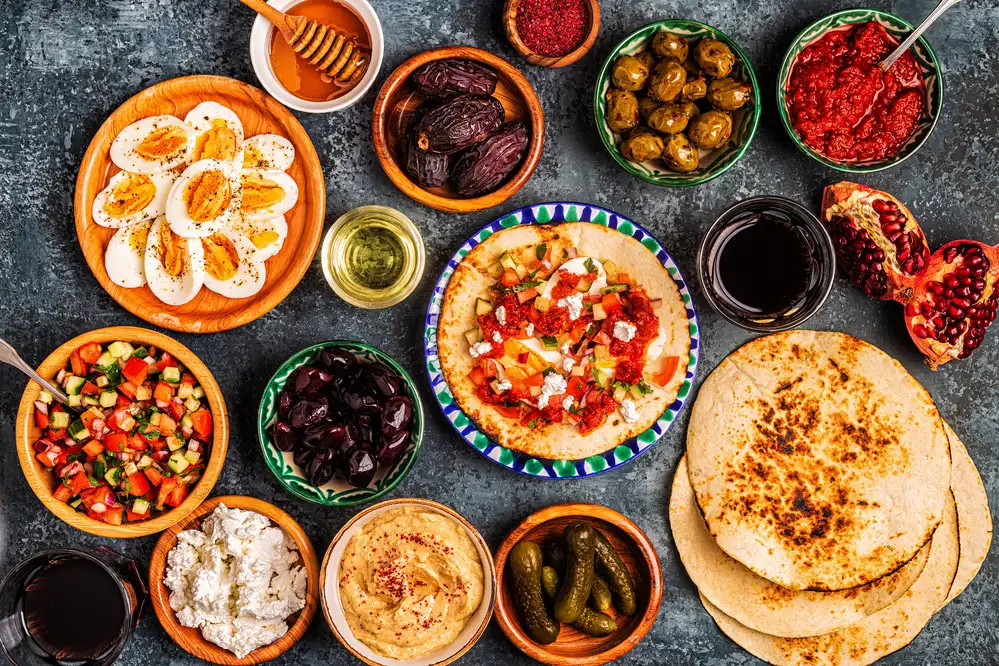
The Mediterranean diet has recently attracted considerable attention. It is a staple diet in countries like Turkey, Tunisia, Italy, and Spain. A Mediterranean diet involves a balanced diet of nutrients. Various studies have shown the numerous benefits of a Mediterranean diet.
Changing dietary habits, driven by socioeconomic developments, can also contribute to disease by identifying strengths and weaknesses.
Research suggests that a Mediterranean diet can help prevent many diseases, including:
- ❤️ Cardiovascular disease (heart attack, stroke, high blood pressure);
- 🧠 Alzheimer’s disease & other dementias;
- 🍬 Type 2 diabetes;
- 🧬 Certain cancers (colon, breast, prostate);
- ⚖️ Obesity & metabolic syndrome;
- 🦴 Osteoporosis (bone loss);
- 🌿 Chronic inflammation-related disorders;
- 🫁 Respiratory diseases (linked with reduced inflammation);
- ⏳ Premature aging & age-related illnesses.
Why the Mediterranean Diet Matters for Your Gut Health
Mediterranean cuisine is rich in olive oil, fish, fresh fruits and vegetables, legumes, and whole grains.
In other words, the Mediterranean diet is low in cholesterol and simple carbohydrates, but high in complex carbohydrates, monounsaturated fatty acids, and fiber.
How the Mediterranean Diet Pyramid Shapes Healthy Eating
In the Mediterranean diet pyramid, meat is consumed once a month, desserts, eggs, chicken, turkey, and fish once a week, and cheese and yogurt, olive oil, fruits and vegetables, legumes, nuts, and whole grains are consumed daily.
Olive oil is frequently used in cooking, Regular exercise is one of the most important supports of the Mediterranean diet.
The Mediterranean Diet vs. Today’s Food Choices: Why It Matters
However, cooking styles, sweet and sugar consumption, and a preference for foods high in saturated fat and fast food have disrupted the Mediterranean diet.
So, what is the importance of the Mediterranean diet for the beneficial bacteria in our gut?
Ready to experience the healing power of the Mediterranean diet?
Top Benefits of the Mediterranean Diet for Gut Health
There are trillions of bacteria in our bodies. More than 95% of these bacteria reside in our intestines.
This bacterial population is almost 1.3 times the number of our cells. These bacteria are divided into three categories: neutral, harmful, and friendly.
Balancing Intestinal Flora for Better Health
Various recent studies indicate that increasing the number of friendly bacteria in our intestines—that is, maintaining a balance in the intestinal flora can benefit our overall health.
The fate of the friendly bacteria in our gut is shaped by our lifestyle and dietary habits.
For example, alcohol and tobacco use, not eating a diet rich in probiotics, unintentional use of antibiotics, and eating harmful foods can reduce the number of friendly bacteria in our intestines, leading to an increase in the number of harmful bacteria.
Boosting Gut Health Naturally With the Mediterranean Diet
The Mediterranean diet is considered one of the most important investments we can make in our gut health. This is because it includes foods that support the number of friendly bacteria in our gut.
Because the Mediterranean diet encompasses a wide range of nutrients, it also supports microbiota diversity. It is also rich in probiotics, which support the growth of probiotics.
Mediterranean Diet: A Daily Source of Gut-Friendly Prebiotics and Probiotics
The Mediterranean diet frequently includes fruits and vegetables rich in prebiotics, as well as milk and dairy products rich in probiotics. In this diet, probiotic and prebiotic-based food groups are consumed daily.
Health Benefits: Why Is Mediter]ranean Seafood Soup Beneficial?
Mediterranean cuisine is renowned worldwide for its rich flavors and health benefits. At the heart of this culinary tradition is Mediterranean seafood soup, a delicious dish that combines the freshest seafood with aromatic herbs and vegetables.
In this section, we’ll explore why Mediterranean seafood soup is not only a feast for the palate but also a boon for your health.
What is Mediterranean Soup?
Mediterranean soup refers to any soup that incorporates elements of Mediterranean cuisine, characterized by the use of fresh, healthy ingredients such as seafood, vegetables, olive oil, and herbs.
This soup is a staple of Mediterranean diets, known for their health benefits.
Mediterranean Seafood Soup: A Culinary Gem
Mediterranean seafood soup is a harmonious blend of various seafoods, including fish, shellfish, and sometimes even blue crab, simmered with a blend of vegetables, herbs, and spices.
While ingredients and preparation can vary, this soup often contains tomatoes, onions, garlic, and olive oil, providing a filling and nutritious meal.
Is Seafood Soup Healthy?
Yes, Mediterranean seafood soup is incredibly healthy. Seafood is a source of lean protein, rich in omega-3 fatty acids, which are essential for heart health and cognitive function.
The vegetables in the soup add dietary fiber, vitamins, and minerals, making this a versatile, nutritious option.
The Best Mediterranean Soups
In addition to seafood chowder, the Mediterranean region offers a variety of soups, each with its own unique flavor profile and health benefits.
Lentil soup, chilled tomato soup, and minestrone are some other popular options, all rich in nutrients and flavor.
Mediterranean Seafood Soup with Blue Crab
Adding blue crab to Mediterranean seafood soup not only enhances its flavor but also boosts its protein and selenium, a powerful antioxidant.
Blue crab is also a low-calorie addition, making this soup a great choice for those watching their weight.
Mediterranean Seafood Soup with Spicy Vegetables
For those who enjoy a bit of heat, this Mediterranean seafood soup with spicy vegetables is a must-try. The added spices not only satisfy your taste buds but also offer additional health benefits.
Capsaicin, found in hot peppers, is known for its anti-inflammatory properties and can aid digestion.
Spicy Mediterranean Seafood Soup
This spicy Mediterranean seafood soup offers a rich flavor texture thanks to its blend of seafood and hot spices.
Spices like paprika and black pepper not only enhance the flavor but also have thermogenic properties, potentially boosting metabolism.
Mediterranean Seafood Soup with Pasta
Adding pasta to Mediterranean seafood soup makes it a more filling meal and provides carbohydrates for energy.
Choosing whole-grain pasta can increase the fiber content, which is beneficial for digestive health.
Mediterranean Seafood Soup with Rice
Similarly, adding rice to soup adds texture and makes it a more substantial meal. Brown rice, in particular, is an excellent choice for added fiber and nutrients.
Health Benefits of Mediterranean Seafood Soup
- 🫀 Supports Heart Health – rich in omega-3 fatty acids from fish, lowers cholesterol and blood pressure.
- 🧠 Boosts Brain Function – omega-3s and antioxidants help memory, focus, and may reduce dementia risk.
- 🦴 Strengthens Bones – calcium (from seafood + vegetables) supports bone density and prevents osteoporosis.
- 💪 High-Quality Protein – seafood provides lean protein for muscle repair and energy.
- 🩸 Improves Blood Sugar Control – vegetables + lean seafood help stabilize glucose levels.
- 🛡️ Strengthens Immunity – vitamins A, C, D, and zinc from seafood and veggies support immune defenses.
- 🪶 Aids Weight Management – nutrient-dense but low-calorie, helps with satiety without excess fat.
- 🌿 Reduces Inflammation – olive oil + omega-3s combat chronic inflammation.
- 👁️ Supports Eye Health – omega-3s and vitamin A protect vision.
- ⏳ Promotes Longevity – linked to lower risk of chronic diseases and healthier aging.
Nutrition Table (per 1 serving ~1 bowl) of Mediterranean Seafood Soup
Nutrient | Amount (Approx.) | Benefits |
Calories | 220–280 kcal | Light but filling meal |
Protein | 20–25 g | Lean protein for muscles |
Total Fat | 8–12 g | Mostly healthy fats from olive oil & fish |
Saturated Fat | 2–3 g | Very low – heart friendly |
Carbohydrates | 15–20 g | From vegetables & broth |
Fiber | 3–5 g | Supports digestion & fullness |
Omega-3 Fatty Acids | 1.5–2 g | Protects heart, brain, and reduces inflammation |
Vitamin A | 20–25% DV | Good for eyes & immunity |
Vitamin C | 30–40% DV | Strong antioxidant, boosts immune system |
Vitamin D | 15–20% DV | Supports bones & mood |
Calcium | 8–10% DV | Helps maintain bone strength |
Iron | 10–12% DV | Supports red blood cells & energy |
Sodium | 500–700 mg (varies by broth) | Should be watched if limiting salt |
⚖️ Summary:
Mediterranean Seafood Soup is a low-calorie, high-protein, nutrient-dense dish packed with omega-3s, antioxidants, and vitamins. It’s excellent for heart health, weight management, and immunity.
>> cta
Comparison Table: Mediterranean Seafood Soup vs. Classic Chicken Noodle Soup (per ~1 bowl)
Nutrient | Mediterranean Seafood Soup | Chicken Noodle Soup | Which is Healthier? |
Calories | 220–280 kcal | 300–350 kcal | ✅ Seafood soup (lighter) |
Protein | 20–25 g | 12–15 g | ✅ Seafood soup (more lean protein) |
Total Fat | 8–12 g (healthy fats) | 12–18 g (more animal fat) | ✅ Seafood soup |
Saturated Fat | 2–3 g | 4–6 g | ✅ Seafood soup |
Carbohydrates | 15–20 g (from veggies) | 30–35 g (from noodles) | ✅ Seafood soup (lower carbs) |
Fiber | 3–5 g | 1–2 g | ✅ Seafood soup (more fiber) |
Omega-3 Fatty Acids | 1.5–2 g | Negligible | ✅ Seafood soup (heart health) |
Vitamin A | 20–25% DV | 10–12% DV | ✅ Seafood soup |
Vitamin C | 30–40% DV | 5–8% DV | ✅ Seafood soup |
Vitamin D | 15–20% DV | <2% DV | ✅ Seafood soup |
Iron | 10–12% DV | 4–6% DV | ✅ Seafood soup |
Sodium | 500–700 mg | 700–900 mg | ✅ Seafood soup (lower salt) |
⚖️ Final Verdict
✅ Mediterranean Seafood Soup is leaner, richer in protein, fiber, vitamins, and omega-3s.
❌ Chicken Noodle Soup is more comforting but heavier in calories, carbs, and sodium with fewer nutrients.
The Bottom Line
Mediterranean seafood soup isn’t just a delicacy; it’s a nutritious choice that supports a healthy lifestyle.
Whether you prefer the classic version, spice it up, or add pasta or rice, this soup offers a delicious way to enjoy the benefits of Mediterranean cuisine.
Embrace the flavors and health benefits of this wonderful dish and make it a regular part of your diet for a healthier, happier future.