


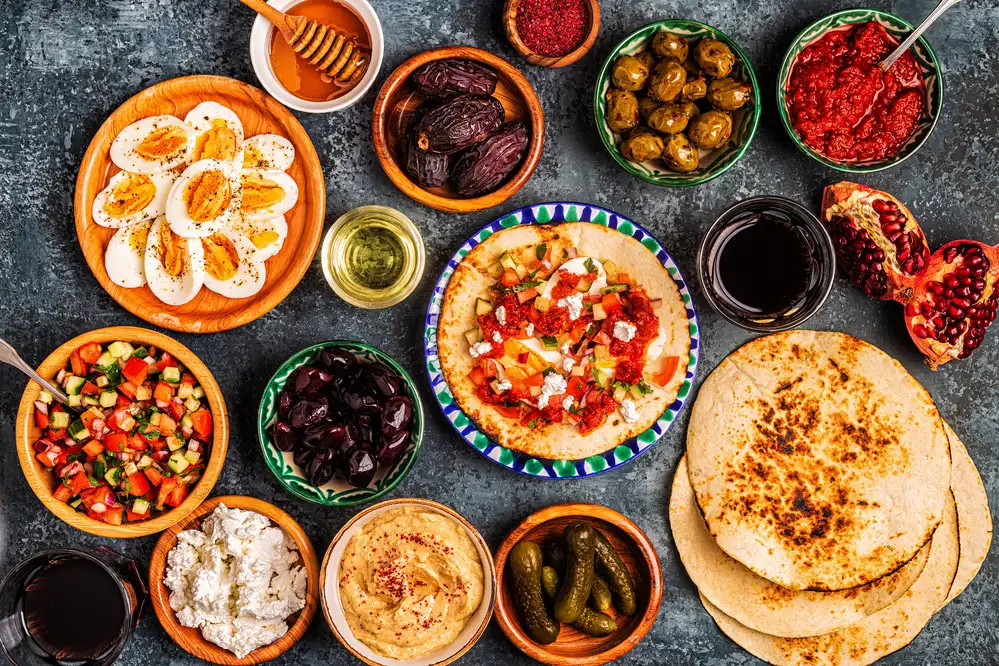
The Mediterranean diet is more than just a way of eating—it’s a lifestyle rooted in fresh, whole foods, healthy fats, and balance. Inspired by the traditional cuisines of countries bordering the Mediterranean Sea, it’s celebrated for its health benefits and sustainability. In this article, we’ll take a closer look at this diet, as well as provide some meal ideas for this diet.
🌍 The Mediterranean Diet: A Globally Recognized Cultural and Health Heritage
The Mediterranean diet is the most studied and recognized dietary pattern worldwide. This traditional pattern has its origins in the civilizations surrounding the Mediterranean and has become closely linked to the social behaviors and lifestyles of that region. UNESCO has recognized the Mediterranean diet as an intangible cultural heritage deeply rooted in its geographical origins, whose agricultural and food practices interact responsibly with the environment.
🌿 Chronic Diseases the Mediterranean Diet Helps Prevent
The Mediterranean diet is closely associated with the traditional olive-growing regions of the Mediterranean and has historically been linked to lower rates of the following chronic diseases, as well as improved brain function and a longer lifespan.
- ❤️ Cardiovascular disease (heart attack, stroke, hypertension);
- 🍬 Type 2 diabetes;
- 🧠 Alzheimer’s disease and other dementias;
- ⚖️ Obesity and metabolic syndrome;
- 🦴 Osteoporosis;
- 🦠 Certain cancers (breast, colorectal, prostate);
- 😔 Depression and other mood disorders;
- 🫁 Chronic respiratory diseases.
🌍 Climate, Trade, and Culture: How the Mediterranean Diet Evolved
The Mediterranean region enjoys a climate conducive to growing similar crops, such as olive trees, grapes, and various fruits and vegetables. Therefore, we find similarities in the Mediterranean diet across all these regions.
In addition, historical factors such as trade and cultural exchange between Mediterranean countries have contributed to the spread and adoption of this diet. The numerous trade routes facilitated by the Mediterranean Sea allow for the exchange of foodstuffs and culinary traditions between surrounding regions.
✅ Advantages of the Mediterranean diet
The traditional Mediterranean diet is characterized by a high intake of plant-based foods, such as fruits, vegetables, bread, various grains, potatoes, beans, nuts, and seeds, that is, minimally processed, seasonally fresh, and locally grown foods.
Fresh fruit is a typical dessert, with sweets containing sugar or honey served several times a week. It also includes a high intake of olive oil (especially extra virgin olive oil) as the primary source of fat. It is also characterized by moderate intake of dairy products and eggs, low to moderate consumption of fish and poultry, limited red meat consumption, and moderate wine consumption, usually with meals.
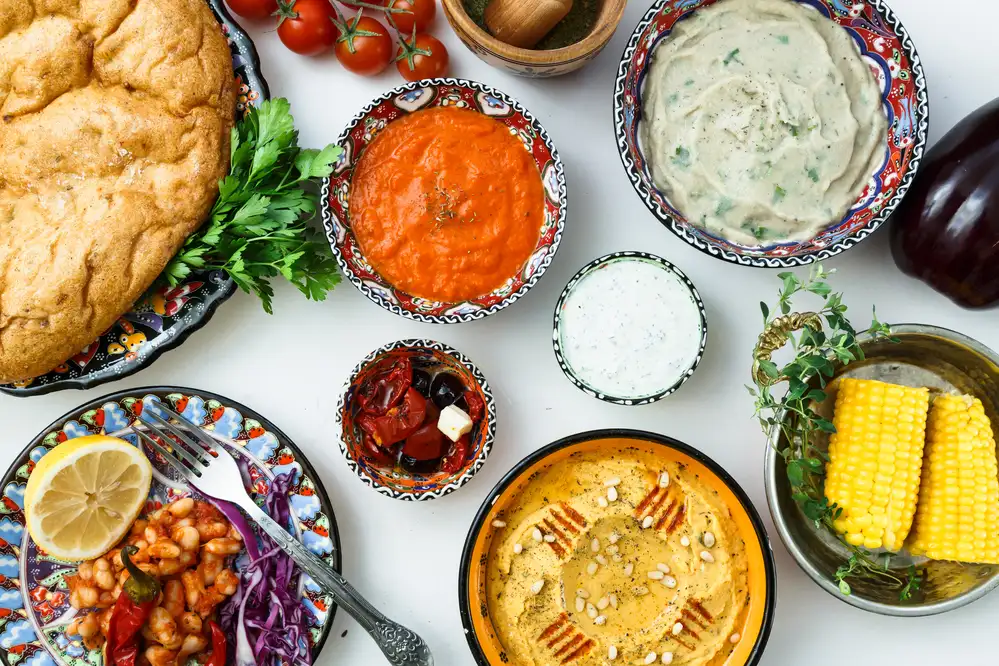
In other words, the food pyramid for the Mediterranean diet is as follows: It is recommended to eat red meat monthly, fish, eggs, and poultry weekly, and vegetables, fruits, nuts, grains, legumes, rice, couscous, pasta, yogurt, cheese, olive oil, and bread daily.
Mediterranean Diet Food Pyramid in table form
Level | Food Group | Recommended Frequency | Examples |
Base (Daily Physical Activity + Social Meals) | Lifestyle | Daily | Walking, gardening, cooking together, sharing meals |
Level 1 (Base foods) | Fruits, Vegetables, Whole Grains, Olive Oil, Legumes, Nuts, Seeds, Herbs & Spices | Daily, every meal | Tomatoes, cucumbers, spinach, lentils, chickpeas, almonds, walnuts, olive oil, whole wheat bread, oats, fresh herbs |
Level 2 | Fish & Seafood | At least 2 times per week | Salmon, sardines, anchovies, tuna, shrimp, mussels |
Level 3 | Poultry, Eggs, Dairy (cheese, yogurt) | Moderate, weekly | Chicken, turkey, eggs, feta cheese, Greek yogurt |
Level 4 | Red Meat & Sweets | Occasional, monthly | Beef, lamb, pork, pastries, cakes, sugary snacks |
Top (Smallest portion) | Wine (optional, adults only) | In moderation, with meals | Red wine |
🌿 Health Benefits of the Mediterranean Diet
- 🫒 Rich in healthy fats (mainly from olive oil and nuts) that support heart health.
- 🐟 High in omega-3 fatty acids from fish, reducing inflammation.
- 🥦 Abundant in fruits, vegetables, and whole grains that provide essential vitamins and fiber.
- ❤️ Helps lower risk of cardiovascular diseases.
- 🍬 Supports healthy blood sugar levels and reduces risk of type 2 diabetes.
- 🧠 Protects brain health, lowering risk of Alzheimer’s and cognitive decline.
- ⚖️ Promotes healthy weight management and reduces obesity risk.
- 🦴 Supports strong bones with calcium-rich foods and vitamin D sources.
- 🦠 Lowers risk of certain cancers (breast, colorectal, prostate).
- 🙂 Improves mood and reduces risk of depression.
- 🌍 Encourages sustainable, eco-friendly eating practices.
⚠️ Possible Disadvantages or Limitations of the Mediterranean Diet
- 💰 Cost factor – Olive oil, fish, nuts, and fresh produce can be more expensive than processed foods.
- 🕒 Meal preparation time – Requires cooking fresh meals, which may not suit busy lifestyles.
- 🥩 Lower red meat intake – Those used to eating more meat may find the adjustment challenging.
- 🍷 Wine consumption – Some versions of the diet include moderate wine intake, which is not suitable for everyone (e.g., children, pregnant women, people with liver conditions).
- 🥗 Lack of structure for weight loss – It’s more of a lifestyle pattern than a strict calorie-controlled diet, so it may not guarantee fast weight loss.
- 🧀 Cheese and dairy moderation – Dairy intake is limited, which may be difficult for people who rely on milk products for nutrition.
- 🛒 Availability – Some Mediterranean foods (fresh fish, specific fruits, and olive-based products) may not be easily accessible in all regions.
✅ Comparison Table Advantages vs Disadvantages of the Mediterranean Diet
Advantages | Disadvantages / Limitations |
🌿 Rich in fruits, vegetables, whole grains, and healthy fats | 💰 Higher cost of olive oil, fish, nuts, and fresh produce |
❤️ Supports heart health & lowers risk of cardiovascular diseases | 🕒 Requires more time for meal preparation & cooking |
🍬 Helps regulate blood sugar and reduces risk of Type 2 diabetes | 🥩 Lower red meat intake may be challenging for some |
🧠 Supports brain health & lowers dementia/Alzheimer’s risk | 🍷 Includes wine consumption, which isn’t suitable for everyone |
⚖️ Promotes healthy weight management | 🥗 Not a strict calorie-controlled diet, may not guarantee quick weight loss |
🦠 Reduces risk of certain cancers & chronic diseases | 🧀 Limited dairy intake may be difficult for some people |
😔 Improves mood & reduces depression risk | 🛒 Some foods may not be available everywhere |
🫁 Supports respiratory and bone health |
Start your Mediterranean journey today!
Ideas from Mediterranean cuisine
Some people struggle with choosing a variety of healthy meals throughout the week, especially in families with both working parents. Often, they turn to fast food, convenience foods, or canned foods to save time. Preparing a weekly meal plan in advance can help you make healthier choices. By knowing the basic ingredients that should be present in a daily or weekly meal plan, you can tailor a meal plan to your specific needs.
Here are several ideas for dishes that belong to the Mediterranean diet, divided into breakfast, lunch, and dinner. It’s important to note that Mediterranean cuisine is not a single version; as the countries of the Mediterranean Sea vary, so do their food cultures. However, the food pyramid attached above remains the foundation of this diet.
🥗 Quick & Easy Mediterranean Breakfast Ideas
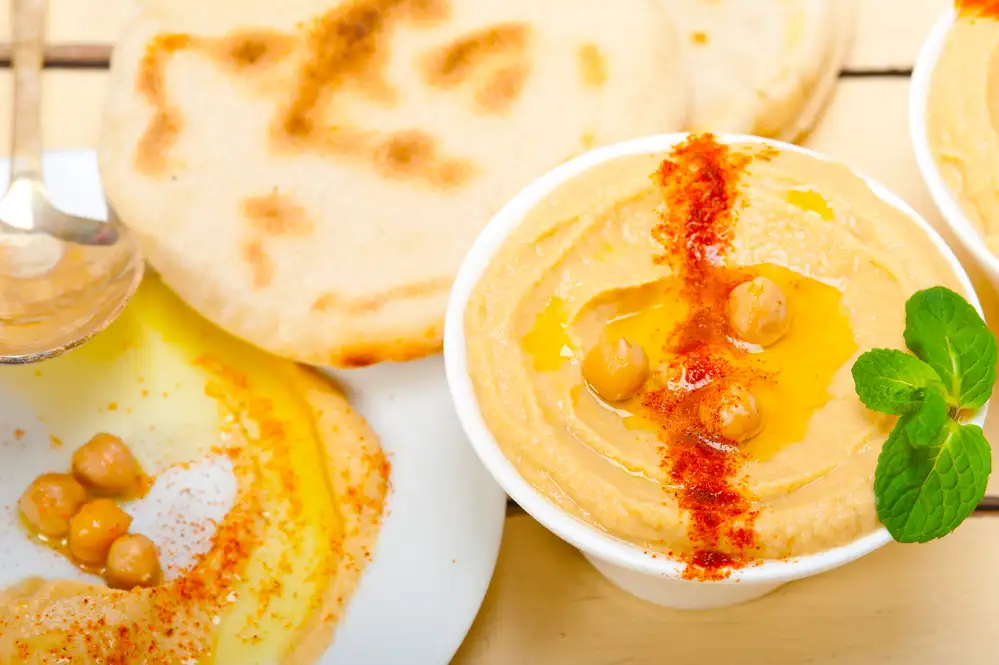
There are many quick and easy ideas for filling breakfasts, including: sweet couscous with dried fruits, Greek yogurt with honey, almonds, and fruits, perhaps a grilled halloumi cheese sandwich with cucumber, tomato, and olives, an egg omelet with onions, olives, and feta cheese, shakshouka with sausage, or guacamole (avocado with chopped onions, coriander, tomato, minced garlic, salt, and lemon).
Breakfast could be a lentil salad (boiled lentils, diced tomatoes, chopped cucumber, feta cheese, olive oil, lemon juice, green basil, and a pinch of salt), fava beans (prepared in several ways), hummus with minced meat, tortillas, seasoned potatoes with chickpeas, frittata, perhaps an egg and parsley omelet, or falafel with hummus and tahini.
🍳 Quick & Easy Mediterranean Breakfast Plan
Day | Breakfast Option | Key Ingredients | Benefits |
Day 1 | Sweet Couscous with Dried Fruits | Couscous, raisins, dates, apricots | High in fiber & energy |
Day 2 | Greek Yogurt Bowl | Yogurt, honey, almonds, fresh fruits | Protein & probiotics |
Day 3 | Grilled Halloumi Sandwich | Halloumi, cucumber, tomato, olives, whole-grain bread | Calcium & healthy fats |
Day 4 | Egg Omelet with Feta | Eggs, onions, olives, feta cheese | Protein & omega-3s |
Day 5 | Shakshouka with Sausage | Eggs, tomatoes, peppers, sausage | Rich in protein & lycopene |
Day 6 | Guacamole Toast | Avocado, onion, coriander, tomato, garlic, lemon | Healthy fats & antioxidants |
Day 7 | Lentil Salad | Lentils, tomatoes, cucumber, feta, olive oil, basil | Plant protein & fiber |
Day 8 | Fava Beans (Ful Medames) | Fava beans, olive oil, lemon, garlic | Iron & slow-release carbs |
Day 9 | Hummus with Minced Meat | Chickpeas, tahini, minced meat | Protein & healthy fats |
Day 10 | Spanish Tortilla | Eggs, potatoes, onions | Energy & protein |
Day 11 | Seasoned Potatoes with Chickpeas | Potatoes, chickpeas, herbs, olive oil | Fiber & plant protein |
Day 12 | Italian Frittata | Eggs, spinach, herbs, cheese | Versatile protein option |
Day 13 | Egg & Parsley Omelet | Eggs, parsley, olive oil | Iron & antioxidants |
Day 14 | Falafel with Hummus & Tahini | Chickpeas, tahini, garlic, parsley | Plant protein & healthy fats |
🍽️ Delicious Mediterranean Lunch & Dinner Ideas
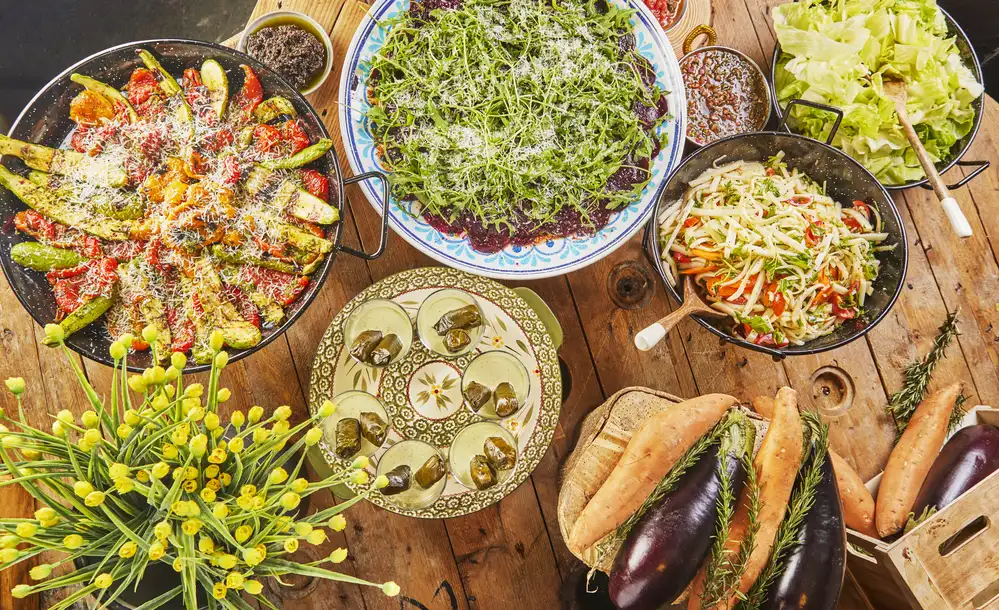
The Mediterranean diet offers a long list of meals, such as: eggplant moussaka, baked chicken with herbs, couscous with chicken and red meat, roasted vegetables, okra, beans, peas, zucchini, brown rice, liver, rice and lentils, or all kinds of stuffed vegetables,
grilled chicken, spinach, grape leaves, lentil rice (Mujaddara), meatballs of all kinds, stuffed pasta (ravioli), rice with chicken, baked vegetable casserole, mushroom risotto with grains, kebab, oven-baked meat, chicken shawarma, roasted potatoes, eggplant Parmesan, rice with stew, and all kinds of soups, such as lentil soup, tomato soup, and vegetable soup.
📅 14-day Mediterranean Lunch & Dinner Diet Plan
Day | Lunch | Dinner |
1 | Grilled chicken salad with olives, tomatoes, and feta | Chicken shawarma wrap with roasted vegetables |
2 | Couscous with roasted chicken and veggies | Lentil soup with whole wheat pita |
3 | Mediterranean grilled fish with lemon and herbs | Stuffed grape leaves (dolma) with side salad |
4 | Chicken and vegetable stew | Oven-baked lamb chops with roasted potatoes and carrots |
5 | Quinoa or couscous salad with chickpeas and vegetables | Mushroom risotto with side salad |
6 | Tomato and okra stew with rice | Baked beef or lamb meatballs with yogurt sauce |
7 | Lentils and rice (Mujaddara) with caramelized onions | Spinach and feta stuffed pastries (spanakopita) |
8 | Grilled chicken with roasted vegetables and brown rice | Eggplant Parmesan with side salad |
9 | Roasted vegetable salad with couscous | Chicken and vegetable kebabs with rice |
10 | Tomato and vegetable soup with whole grain bread | Mediterranean roasted chicken with green beans |
11 | Greek salad with grilled chicken | Lamb or beef kebabs with roasted bell peppers |
12 | Chickpea and vegetable stew | Freekeh or brown rice with roasted vegetables |
13 | Grilled fish tacos with Mediterranean salsa | Baked chicken with zucchini, tomatoes, and olives |
14 | Lentil soup with whole wheat pita | Mediterranean vegetable stir-fry with chicken or fish |
🍴 Ready to transform your meals?
Mediterranean Cuisine: Healthy Eating Across Cultures
Since the Mediterranean countries are various, there’s a wide variety of recipes to try, all following the same food pyramid. Popular cuisines include Greek, Italian, Spanish, Turkish, Lebanese, Egyptian, Palestinian, and Middle Eastern dishes. The online is now brimming with recipes from all over the world, so anyone interested in following this diet will find it easy to find ideas that suit their tastes and capabilities.
Most readers from the world will likely find this diet and these ideas intuitive, having grown accustomed to this style of eating. However, in this age of speed, with our busy schedules piling up, and our influence by many eating habits and popular diets, this article may serve as a reminder of the importance of this diet and its various benefits.
Mediterranean Cuisine: Healthy Foods and Their Nutritional Values
We specifically emphasize foods that are local, seasonal, and minimally processed, but most importantly, foods that are full of the bounty and blessings of our land. It also highlights the existence of many rich cuisines that follow this system, offering ideas that may be new to us for delicious, beneficial, and varied recipes. Below is a list of healthy food items from Mediterranean cuisine.
Category | Foods | Approx. Calories | Protein (g) | Carbs (g) | Fat (g) |
Protein | Grilled chicken (3 oz) | 140 | 26 | 0 | 3 |
Chicken shawarma (3 oz) | 180 | 22 | 5 | 8 | |
Meatballs (beef/lamb, 3 pcs) | 250 | 18 | 10 | 16 | |
Kebab (grilled meat skewers, 3 oz) | 200 | 22 | 2 | 12 | |
Baked or roasted fish (3 oz) | 150 | 22 | 0 | 6 | |
Falafel (3 pcs) | 170 | 6 | 15 | 10 | |
Grains | Couscous (1 cup cooked) | 175 | 6 | 36 | 0.3 |
Stuffed grape leaves (Dolma, 3 pcs) | 160 | 3 | 20 | 7 | |
Vegetables | Roasted vegetables (1 cup) | 100 | 2 | 15 | 5 |
Greek salad (1 cup) | 120 | 4 | 6 | 9 | |
Eggplant Parmesan (1 cup) | 200 | 7 | 15 | 12 | |
Soups | Lentil soup (1 cup) | 180 | 12 | 30 | 3 |
Tomato soup (1 cup) | 90 | 2 | 20 | 1 | |
Dips & Starters | Hummus (2 tbsp) | 70 | 2 | 4 | 5 |
Tzatziki (2 tbsp) | 30 | 1 | 2 | 2 |
✅ Notes:
- Values are approximate and can vary depending on preparation and portion size.
- Protein sources include both animal and plant-based items.
- Healthy fats come mainly from olive oil, tahini, and fish.
Conclusion: Embrace the Mediterranean Diet for Health and Flavor
The Mediterranean diet offers a balanced approach to eating, emphasizing fresh vegetables, fruits, whole grains, and healthy fats. Its lifestyle benefits include improved heart health, better brain function, and reduced risk of chronic diseases. By incorporating diverse and flavorful Mediterranean meals into your routine, you can enjoy both taste and long-term wellness.
FAQs: Mediterranean Diet Guide, Health Benefits & Meal Plans
What is the Mediterranean diet?
The Mediterranean diet is a lifestyle-based eating pattern inspired by the traditional cuisines of countries bordering the Mediterranean Sea. It emphasizes fresh fruits, vegetables, whole grains, olive oil, legumes, nuts, fish, and moderate consumption of poultry, dairy, and red wine.
What are the main health benefits of the Mediterranean diet?
The Mediterranean diet helps improve heart health, supports brain function, reduces the risk of type 2 diabetes, lowers obesity risk, strengthens bones, and may protect against certain cancers and mood disorders.
Which foods are recommended on the Mediterranean diet?
Core Mediterranean diet foods include fresh vegetables and fruits, whole grains, legumes, nuts, seeds, olive oil, herbs, spices, fish, seafood, moderate poultry and dairy, limited red meat, and optional moderate wine for adults.
How often should I eat fish and seafood on the Mediterranean diet?
Fish and seafood should be consumed at least 2 times per week. Popular options include salmon, sardines, tuna, shrimp, and mussels, which provide omega-3 fatty acids and healthy protein.
Can I follow the Mediterranean diet if I’m vegetarian or vegan?
Yes. The Mediterranean diet naturally supports plant-based eating. You can focus on legumes, nuts, seeds, whole grains, vegetables, and fruits while excluding animal products or replacing them with plant-based alternatives.
How does the Mediterranean diet help prevent chronic diseases?
By emphasizing nutrient-dense, anti-inflammatory foods, the Mediterranean diet can lower the risk of cardiovascular disease, type 2 diabetes, certain cancers, Alzheimer’s disease, obesity, and depression.
Is the Mediterranean diet expensive or hard to follow?
Some ingredients like olive oil, nuts, and fresh fish can be costly, and meal preparation requires fresh cooking. However, planning weekly meals in advance can make the diet affordable and manageable.
Are there any limitations of the Mediterranean diet?
Limitations include lower red meat consumption, limited dairy intake, optional wine which may not suit everyone, and availability of certain Mediterranean foods in some regions.
Can I use the Mediterranean diet for weight loss?
While the Mediterranean diet promotes healthy weight management, it is more of a balanced lifestyle than a strict calorie-controlled plan. Results may vary depending on portion control and overall activity levels.
What are easy Mediterranean meal ideas for breakfast, lunch, and dinner?
Breakfast options include Greek yogurt with fruits, omelets with feta, or frittata. Lunch and dinner options include grilled chicken salads, couscous with vegetables, baked fish, lentil soup, stuffed grape leaves, and Mediterranean vegetable stir-fries.